







It is impossible to talk about wellness without considering your immune health. While the phrase wellness can mean something different to everyone, at its core being well is about nourishing the body so you can thrive at all stages of life. Your immune system is the foundation that supports that journey.
Immune cells work hard every day, constantly making decisions and taking action to protect you against environmental threats and pathogens. But lifestyle factors, especially nutrition, play a huge part in how well it functions.
If wellness is a priority for you, learning about these five critical nutrients is an essential first step.
How does your immune system keep you healthy?
A well-functioning immune system means that your body can defend itself against anything that could adversely affect your health.
The immune system is comprised of two parts:[i]
· Innate: The innate immune system acts as a first responder to protect you against perceived threats like viruses, bacteria, or toxins.[ii] While it cannot differentiate between various pathogens, it works by sending a message to your immune cells to respond quickly to take care of the problem.
· Adaptive. The adaptive immune system kicks in after recognizing specific threats and responds with targeted antibodies.[iii]
A simple way to think about the adaptive immune system is to consider children who attend day-care early. The first few months are often miserable as they pick up every bug they are exposed to. Over time, their immune system wakes up, recognizes the same germs or antigens, and can fight back. This is the adaptive (with help from the innate) immune system at work.
Both branches of your immune system depend on proper nutrition, especially micronutrients, to function optimally. Research clearly tells us that less-than-optimal nutrition status can lead to a compromised immune system.[iv]
How can you support your immune system naturally?
While this list is not exhaustive, here are five crucial nutrients that help you maintain a healthy immune system.
1. Zinc. If you have ever woken up with a sense of feeling exceptionally run down or that your body is trying to fight something off, consider reaching for zinc. Zinc contributes to the normal function of the immune system.
An essential nutrient for a well-functioning and responsive immune system, zinc supports optimal immunity. Everyone can support their immune health with zinc. You can start by including rich sources of zinc in your diet, such as:[v]
- Oysters (by far the richest source with over ten times more zinc than other sources)
- Meat
- Eggs
- Legumes
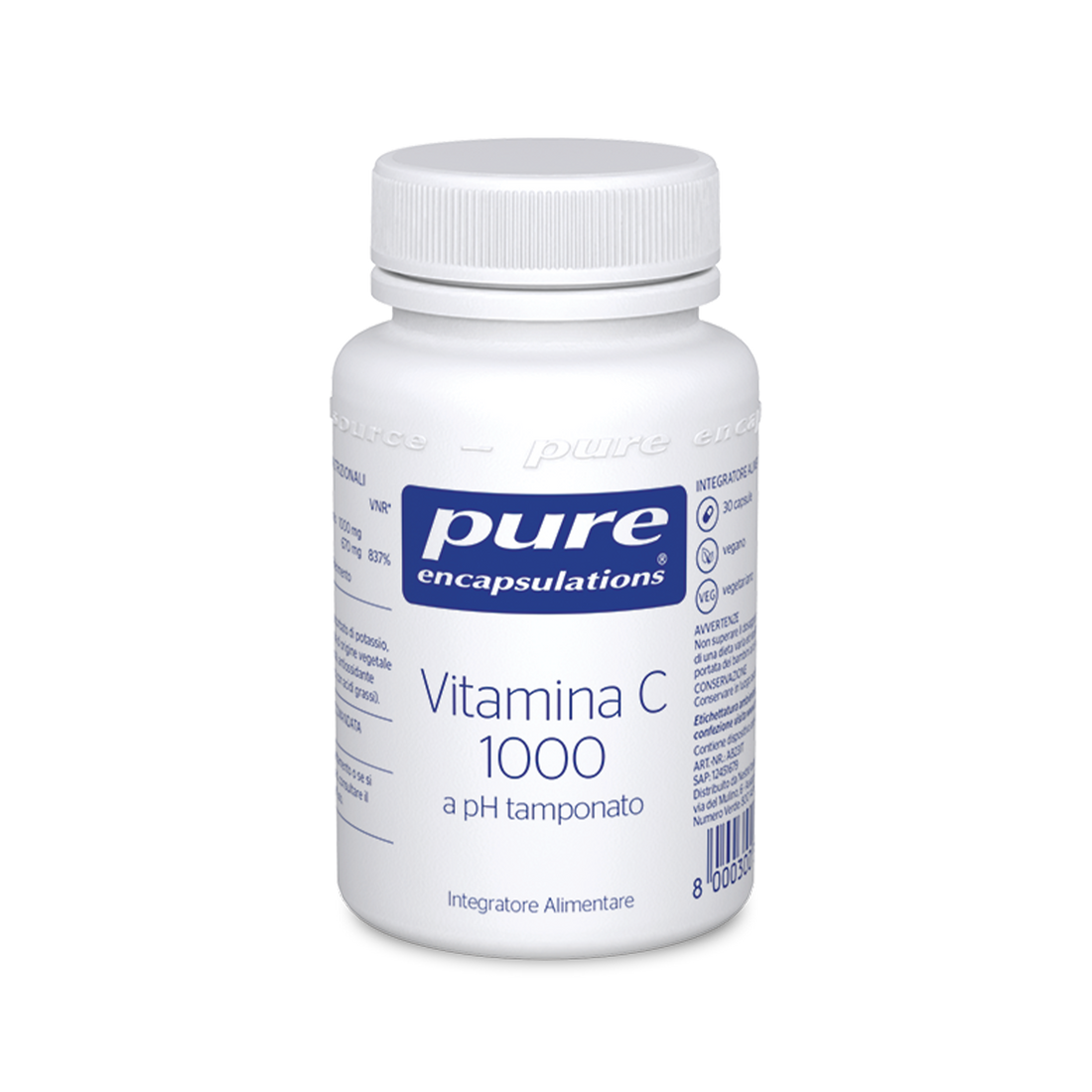
2. Vitamin C. Vitamin C is probably the most well-known remedy for immune health. It’s an essential water-soluble vitamin (meaning the body doesn’t store it and will excrete excess in urine) that acts as an important antioxidant in the body.[vi]
Since vitamin C has become a go-to for immune health, there’s a lot of research examining its efficacy. Vitamin C is easy to obtain in a healthy diet rich in fruits and vegetables. Some of the highest sources include:[vii]
- Citrus
- Kiwi
- Leafy greens
- Cruciferous veggies like cauliflower, broccoli, or cabbage
- Bell pepper
- Strawberries
- Guava
It is always a good idea to get your nutrients from food first, but supplementation can help achieve optimal levels of vitamin C. Food supplements should not be used as a substitute for a varied and balanced diet and a healthy lifestyle.
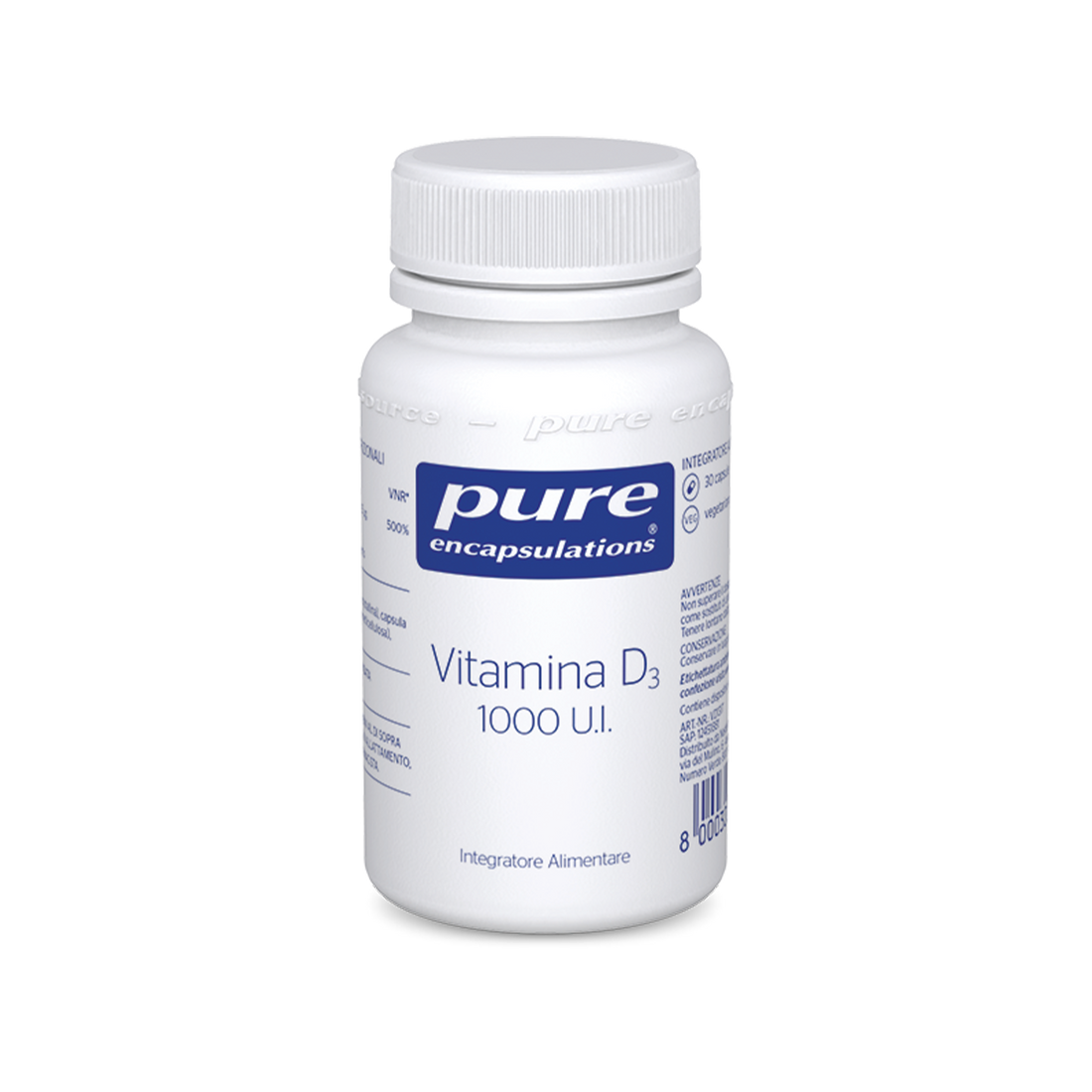
3. Vitamin D. For the last few years, vitamin D is having its moment in the sun. From bone formation to cell development, vitamin D is a critical nutrient for many aspects of health, including your immune system. Receptors for vitamin D are found on your immune cells, suggesting that vitamin D may positively influence their responsiveness.[viii]
A vitamin D deficiency may mean you are more likely to pick up a bug than someone with normal levels. Vitamin D contributes to the normal function of the immune system in children.
Unlike many other nutrients, it is not easy to get vitamin D from food (unless the food has been fortified with vitamin D in processing in some countries like milk or orange juice). Fatty fish, egg yolks, liver, and beef all have small amounts but likely not enough.[ix]
The ideal way to get enough vitamin D is through exposure to sunlight, where the interaction with UV light converts the hormone in your skin to the active vitamin. Thus there are so many factors influencing your ability to properly make and absorb it (including the colour of your skin, sunscreen use, time of year, and geographical location).

Selenium. Another powerful antioxidant, selenium is a critical nutrient for your immune system, supporting reductions in oxidative stress. The role of selenium as an indirect component of the antioxidant network is well established. selenium contributes to the protection of cell constituents from oxidative damage. It also contributes to the normal function of the immune system.
It may also aid in turning your immune cells on so they can get to work, selenium was able to stimulate the proliferation of activated T cells of the immune system.
Selenium can be obtained through diet, with the richest sources being organ meats, brazil nuts, and seafood.[1] You can also find selenium in grains, bread, and meat. However, the amount of selenium present in foods can vary depending on the soil content where the product or animal’s food was grown. Supplemental selenium may be indicated to support the immune system to bring levels up to optimal amounts.

The Takeaway: Nutrients and your immune system
Lasting wellness requires an understanding and appreciation of the immune system. Like any system in our body, immunity is influenced by many lifestyle factors, especially our diet.
Many nutrients play a role in the development, functionality, and responsiveness of your immune system. While making sure your diet is rich in foods that provide these nourishing micronutrients is a natural first step, supplementation can provide added value in some cases, especially if you need higher doses or have low levels of specific nutrients. A conversation with your healthcare practitioner, along with baseline lab values, can help you determine if supplementation is right for you. Food supplements should not be used as a substitute for a varied and balanced diet and a healthy lifestyle.
[i]“Features of an Immune Response | NIH: National Institute of Allergy and Infectious Diseases.” Accessed March 18, 2021. https://www.niaid.nih.gov/research/immune-response-features.
[ii] Biron, Christine A. “Chapter 4 - Innate Immunity: Recognizing and Responding to Foreign Invaders—No Training Needed.” In Viral Pathogenesis (Third Edition), edited by Michael G. Katze, Marcus J. Korth, G. Lynn Law, and Neal Nathanson, 41–55. Boston: Academic Press, 2016. https://doi.org/10.1016/B978-0-12-800964-2.00004-5.
[iii] Moticka, Edward J. “Chapter 2 - Hallmarks of the Adaptive Immune Responses.” In A Historical Perspective on Evidence-Based Immunology, edited by Edward J. Moticka, 9–19. Amsterdam: Elsevier, 2016. https://doi.org/10.1016/B978-0-12-398381-7.00002-2.
[iv] Maggini, Silvia, Adeline Pierre, and Philip C. Calder. “Immune Function and Micronutrient Requirements Change over the Life Course.” Nutrients 10, no. 10 (October 17, 2018). https://doi.org/10.3390/nu10101531.
[v] “FoodData Central.” Accessed March 19, 2021. https://fdc.nal.usda.gov/fdc-app.html#/?component=1095.
[vi] Health, National Research Council (US) Committee on Diet and. National Academies Press (US), 1989. https://www.ncbi.nlm.nih.gov/books/NBK218756/.
[vii] “FoodData Central.” Accessed March 19, 2021. https://fdc.nal.usda.gov/fdc-app.html#/?component=1162.
[viii] Aranow, Cynthia. “Vitamin D and the Immune System.” Journal of Investigative Medicine : The Official Publication of the American Federation for Clinical Research 59, no. 6 (August 2011): 881–86. https://doi.org/10.231/JIM.0b013e31821b8755.
[ix] “FoodData Central.” Accessed March 19, 2021. https://fdc.nal.usda.gov/fdc-app.html#/?component=1110.